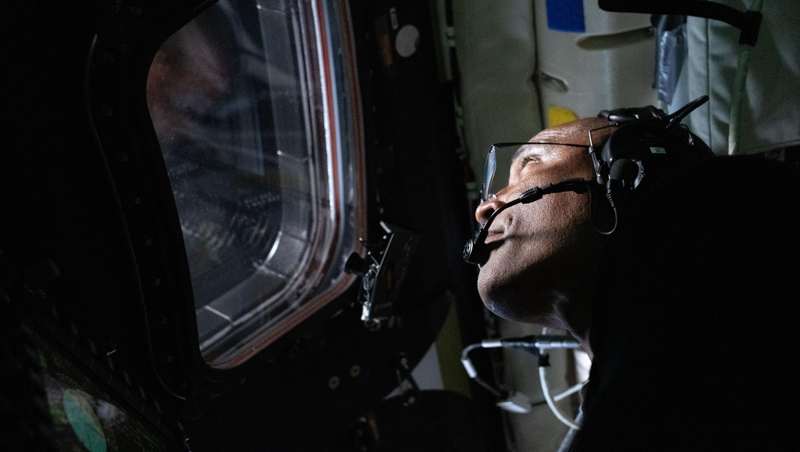
NASA astronaut and Artemis II Pilot Victor Glover pictured here in the Orion spacecraft during the Artemis II lunar flyby. Glover and his fellow crewmates spent approximately seven hours taking turns at the Orion windows capturing science data to share with their team back on Earth. At closest approach, they came within 4,067 miles of the Moon’s surface.
The biggest reason we couldn’t all go to the moon is that we couldn’t all fit in the rocket. Well, that and not being able to take the time off work. NASA to the rescue, though: they’ve dropped more than 12,000 photos from the Artemis II mission.
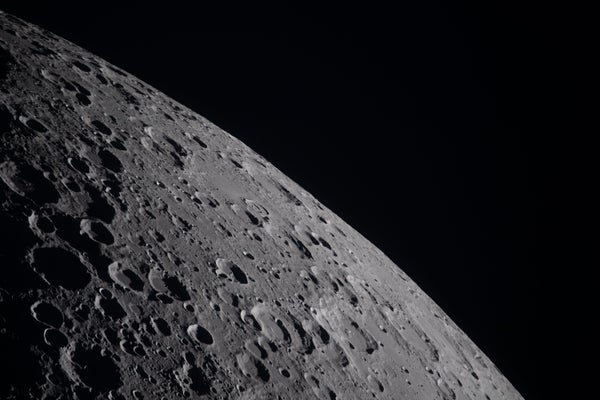
The Artemis II mission was the journey of a lifetime for the four astronauts onboard, and they wasted no time taking photographs of their trip. Of course if you’re going someplace like that, you’re going to take a lot of pictures, and they did—and NASA just published the first big batch of them to share with the rest of us who couldn’t take the time off work to go on what is now officially the world’s longest road trip.
On April 6, 2026, the Artemis II crew—Reid Wiseman, Victor Glover, Christina Koch, and Jeremy Hansen—made its closest approach to the moon, and simultaneously broke the record for the farthest distance traveled by humans from Earth, reaching 252,756 miles away. They surpassed the 1970 Apollo 13 record of 248,655 miles, traveling behind the far side of the Moon.
Artemis II launched on April 1 for a ten day mission, returning to Earth April 10. NASA astronauts Reid Wiseman, Victor Glover, and Christina Koch and Canadian Space Agency astronaut Jeremy Hansen took thousands of snapshots. The scientific value of this treasure trove of photographs cannot be understated. They are—except for the usual sorts of out-of-focus or moved-the-camera-while-the-shutter-was-open mistakes that everybody makes—the best, highest resolution images anyone has ever taken from the far side of the moon, or on any trans-lunar flight.
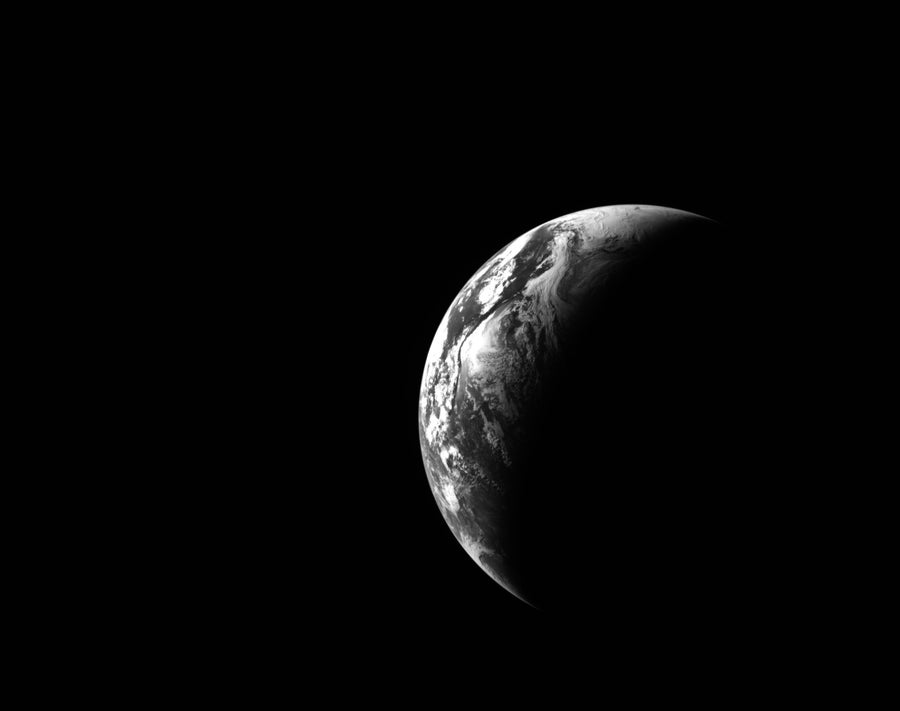
The amount of data they captured is huge, and NASA has been busy at the Johnson Space Center, taking all this data and getting it organized into the mission data infrastructure that allows them to process the images and release them to both scientists and the public. They have a team of about 60 people going over everything, weeding out the blank images, the blurred ones, and presumably other sorts of photographer’s gaffes as well. Nobody needs to see a picture of your thumb.
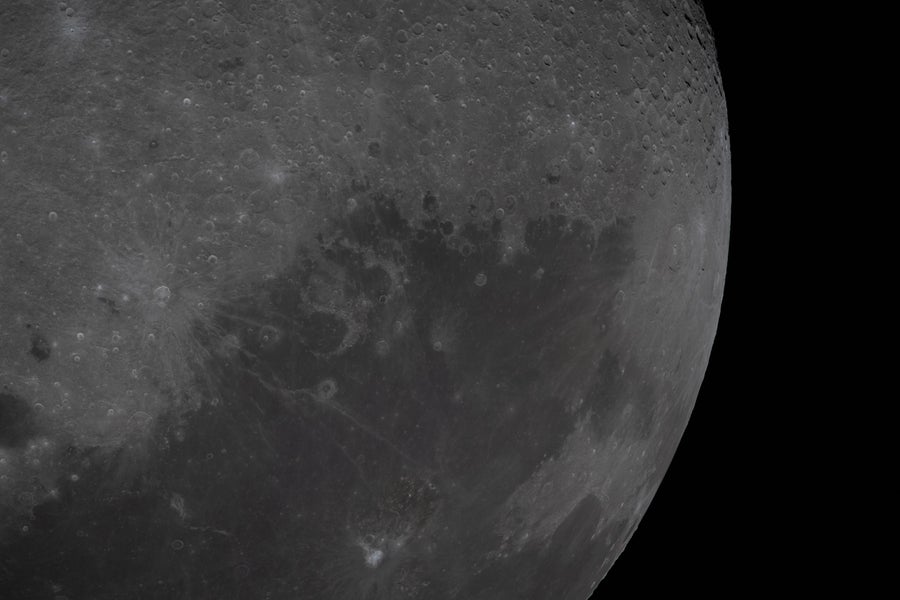
Our first glimpse at the trove of images, and the work it takes to organize it, comes via NASA’s Gateway to Astronaut Photography of Earth website, which now hosts 12,217 photographs from the mission. The site’s primary search mechanisms have not been updated to include the Artemis II mission yet, but you can access the complete collection at this link, once they fix it. NASA passed that link out to every press agency, and the link is either the wrong one or they broke it. In the meantime, here are some of our favorites.
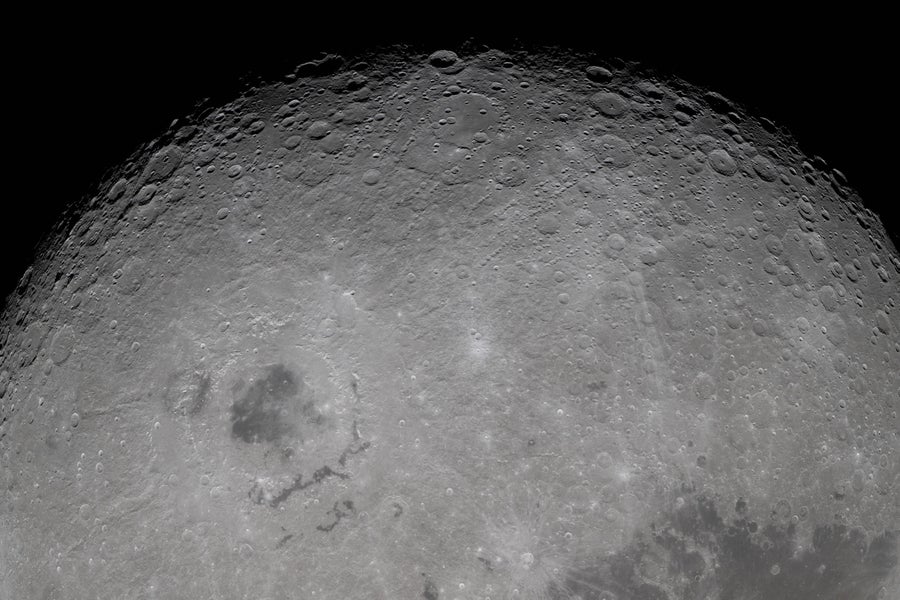
You can pull up an image at random by clicking Search Photos, and entering a code, although there won’t always be a result to display. The photographs currently available may not represent the full Artemis II collection, given that the image codes run from ART002-E-168 to ART002-E-30001, suggesting there may be some 18,000 more to come. The science team has until Octoboer to publish its preliminary reports on science and operations, plus the full Artemis II dataset, including all mission’s moon images. We have a lot to look forward to, and there may be some surprises in store.
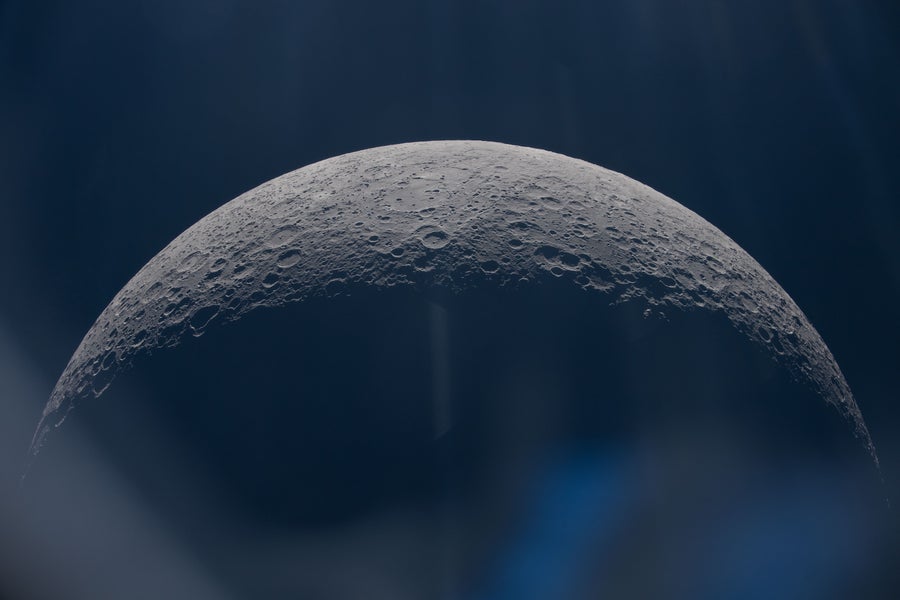
Everything will end up in NASA’s Planetary Data System, which stores data from every NASA mission relevant to planetary science. The voice recordings made by the Artemis II astronauts during their lunar flyby will eventually end up there as well, along with a user’s guide compiled by the mission’s science team to help researchers make the most of the information.
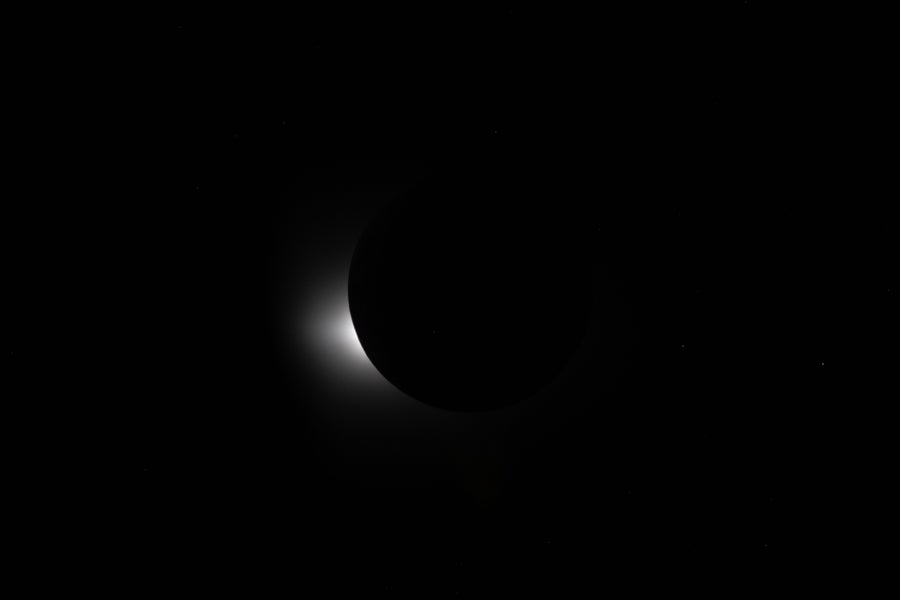
The science teams will be sorting through it all, looking for images relevant to Next, the science team members have to orient themselves in each image’s view of the moon and the lunar features on display. But for researchers, Young said, the most important moment will be pivoting from looking at individual features to filtering those views through the top 10 science priorities for the mission.
Those science objectives include studying color and brightness, which can be clues to geological history; observing the flashes that mark a meteoroid striking the lunar surface; better understanding locations considered potential landing sites for future missions; and analyzing the wispy atmosphere and any lunar dust it contains.
Top 10 Science & Technical Priorities for Artemis II
- Orion Life Support System Validation: Testing and validating the Environmental Control and Life Support System (ECLSS) with crew to ensure sustainability.
- Human Health & Performance in Deep Space: Monitoring the impact of deep-space radiation and microgravity on the crew, including immune system studies.
- Lunar Geological Observation & Imaging: Capturing high-resolution photos and analyzing the far side of the moon to study geological features.
- Lunar Impact Flash Detection: Observing and recording meteoroids striking the lunar surface.
- Lunar Exosphere & Dust Analysis: Analyzing the wispy lunar atmosphere and observing dust levitation.
- Radiation Environment Mapping (SELINE): Measuring galactic cosmic rays and secondary particle interactions with the lunar regolith.
- Proximity Operations Demonstration: Using the ICPS (Interim Cryogenic Propulsion Stage) for docking target drills, testing Orion’s maneuverability.
- Space Weather Monitoring: Evaluating radiation shielding and monitoring plasma in the lunar wake.
- Advanced Imaging & Communication: Testing optical communication lasers and photographing the Earth-Moon-Sun system.
- AVATAR Experiment (Tissue Analog): Conducting the AVATAR (A Virtual Astronaut Tissue Analog Response) study to understand biological responses to radiation.
There is so much great stuff up on the search site already, and so much more to come. With everything else going wrong in the world, it may have taken leaving the planet to get something right.