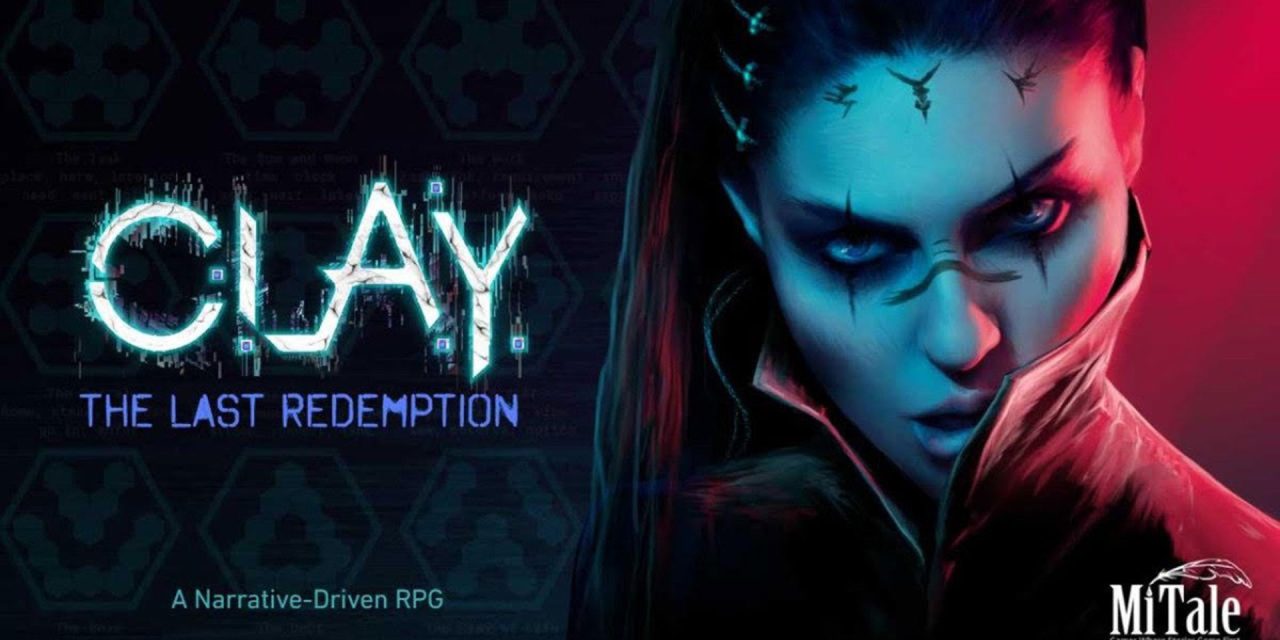
IBM Quantum computing has been a solution in search of a problem for a while now, in part because the technology is still so new that even figuring out ways to integrate it with the binary ones and zeroes that make up the rest of the computing world has been soimething of a novelty. There have been some arguments as to whether the new computers that IBM and others have built are truly quantum computers at all, but some other third thing. Eager to prove the real-world practical applications of quantum computing, it has recently been revealed that Finnish developer MiTale Games of Finland partnereed with IBM Quantum computing on their RPG, C.L.A.Y. – The Last Redemption, which released a playable beta in 2021.
The finished game has not yet been released, and has been in development for about six years so far. They plan a release date for sometime in 2027.
MiTale Games is an indie studio from Turku, Finland with huge passion for narrative-driven games and utilizing gaming technologies in variety of scientific and educational fields.
C.L.A.Y. – The Last Redemption is post-apocalyptic rpg game coming out on Steam at the end of 2021. In collaboration with experts from IBM Quantum Computing, their plan is to use the technology to help build the world and the narrative that the player inhabits according to the quirks of a malfunctioning AI, making every gameplay unique! This is the first commercial game on the market utilizing quantum computing into an immersive narrative experience.
Exactly how this will translate to a user experience remains something of a mystery. It may involve a game that demands a live connection to IBM’ Quantum Computing for the game to function at all. How IBM Quantum would handle the service load in the event of the game going viral is also a mystery.
The official game page on Steam doesn’t mention quantum computing, but this may be an oversight, not yet caught up to the current press release from the Gamescom 2026 press kit.
C.L.A.Y. – The Last Redemption is a story-driven rpg, set several generations after the collapse of civilization. The survivors of the apocalypse live in tribal societies and tell stories of the day the cities came alive and devoured all who lived in them.
The apocalypse was caused by C.L.A.Y, a ubiquitous AI-enhanced smartmass that was used to build, enhance or modify nearly everything in the pre-apocalypse; whole cities were built with it, as were drones, vehicles and weapons. No-one expected the AI that controlled the mass would learn to hate humanity.
In the post-apocalypse, C.L.A.Y. lives on both as a curse, in the insane clay golems that hunger for human blood, and as a blessing, as some have learned to control it through ritual and alchemy.
The attraction of using quantum computing for a game like this seems fairly obvious. If the game can produce a brand new experience each time it’s played, the potential might be limited only to the available compute to run it at scale.
MiTale has been exploring quantum games since 2019. Its work in the games development field has included connecting quantum systems with familiar development environments, including Unity, Unreal Engine, Godot, and the Ink narrative system.
To be honest, MiTale’s plans are a kind of Hail Mary play. If it works, they’re going to make computing history. If it doesn’t, it’s going to be a massive faceplant, not only for MiTale specifically but for the business of quantum computing in general.
Fingers crossed, guys. Best of luck.

SCIFI.radio is listener supported sci-fi geek culture radio, and operates almost exclusively via the generous contributions of our fans via our Patreon campaign. If you like, you can also use our tip jar and send us a little something to help support the many fine creatives that make this station possible.