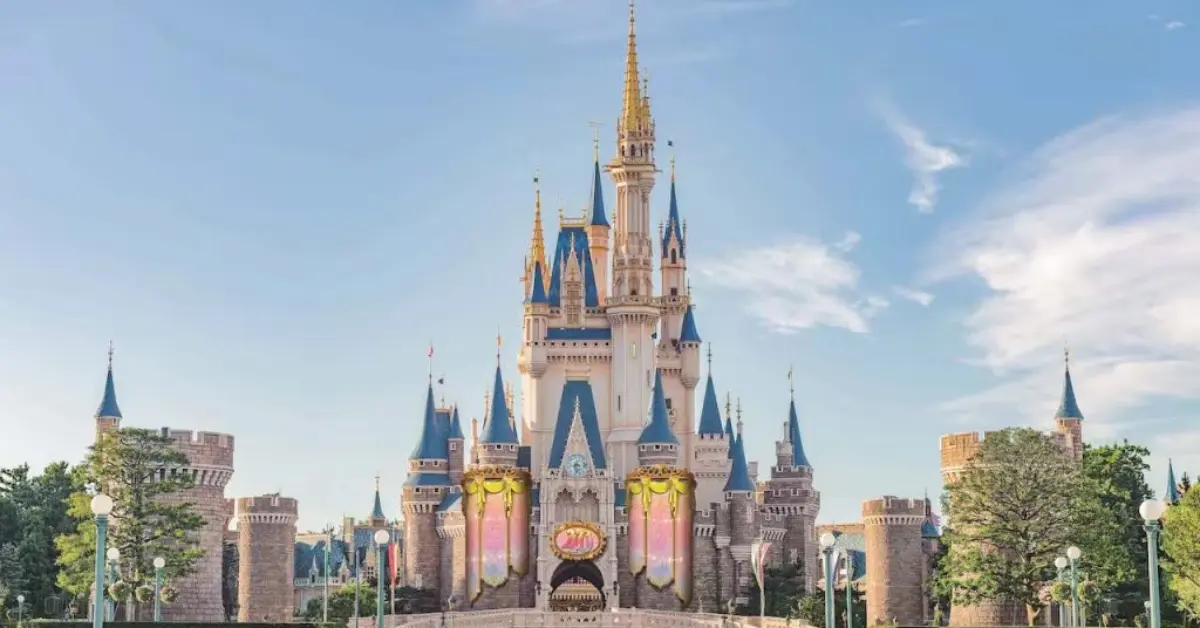
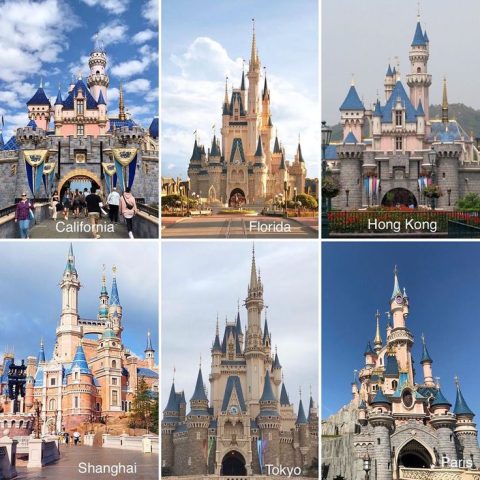
Tokyo Disneyland is consistently among the top-earning theme parks in the world.
Here’s the surprising part: Disney doesn’t own it.
The story of how that happened is eye opening, and soon became a classic at Harvard Business School. Turns out that building the “Happiest Place On Earth” depends on where you’re building it. Evolution from Disneyland’s beginnings in a farming area south of LA, to today’s worldwide Disney parks network, reveals essential concepts about adapting creative works across cultures while keeping the magic alive. Concepts that extend far beyond theme parks into video games, streaming content, fashion trends, and global product launches.
Where The Theme Park Is
As early as 1959, the Oriental Land Company approached Disney about building a Disneyland in Japan. Walt Disney was intrigued, but negotiations dragged on for over two decades. The sticking point? The Japanese company wanted to adapt Disney’s designs for their local culture—changing attraction pricing, food offerings, and guest experiences. Disney’s Board of Directors was convinced this wouldn’t work.
Eventually, both parties agreed to an unprecedented arrangement: Disney would license its intellectual property and provide creative consultation, but the Oriental Land Company would finance, build, and own the entire park.
After several years of construction and a $1.4 billion investment, Tokyo Disneyland opened on April 15, 1983.
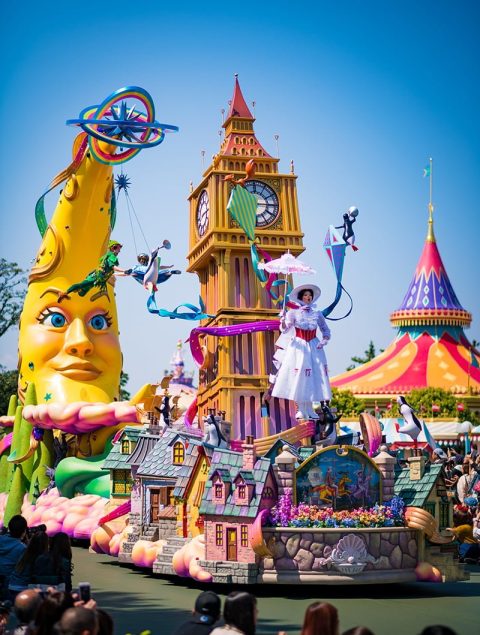
It was an immediate phenomenon. In its first year alone, 10 million guests poured through the gates—exceeding all projections. Disney executives, watching profits they didn’t share in, tried to buy the park back. The Oriental Land Company politely declined. They preferred the current arrangement.
A Lesson Forgot?
This was textbook localization—thoughtfully adapting a project so it feels natural to people in a new culture. Disney had spent decades bringing other cultures to America through films and attractions. Now they were learning to bring their theme park magic to the world.
Or so it seemed.
The $5 Billion Duck
When Disney began planning its next international park, they set their sights on Europe. Euro Disney, they believed, would be even more successful than Tokyo Disneyland. Did they apply their localization lessons from Japan?
Not exactly. When Euro Disney opened near Paris on April 12, 1992, it was essentially a beautiful replica of the American parks—with minimal adaptation for European or French sensibilities. Disney executives famously banned wine from the park (in France, where wine with lunch is a tradition). They served standard American theme park food. Tickets were priced at $42.50—roughly 30% higher than American parks when adjusted for purchasing power. Critics labeled it overly commercial, artificially American, and tone-deaf to European tastes. The numbers told the story: Euro Disney lost nearly $1B in its first year.
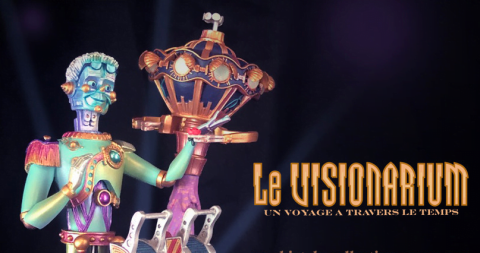
One bright spot: Le Visionarium, a unique circular cinema attraction featuring a time-traveling robot tour of European history, narrated by Jules Verne and H.G. Wells.
The Rescue
After several years of mounting losses, Disney listened more carefully to the French consultants and artists they’d hired. The park rebranded as Disneyland Paris and began genuine localization efforts.
The transformation’s symbol was a new Space Mountain: De la Terre à la Lune (From the Earth to the Moon), which opened in 1995. Unlike the sleek, white American Space Mountain, this version featured a Victorian steampunk aesthetic inspired by Jules Verne’s novels—complete with a brass and copper exterior resembling the Columbiad space cannon from Verne’s book. The ride launched guests from 0 to 44 mph in under 2 seconds using a cannon-blast effect. It was distinctly European, thrillingly French.
Other changes followed: wine returned to restaurants with localized menus featuring French cuisine, admission prices dropped, operating hours adjusted to European vacation patterns, French language became predominant throughout the park, and seasonal events reflected European holidays and traditions. Slowly, the park recovered, and now it’s in the top 10 profitable resorts worldwide.
Third Time’s the Charm
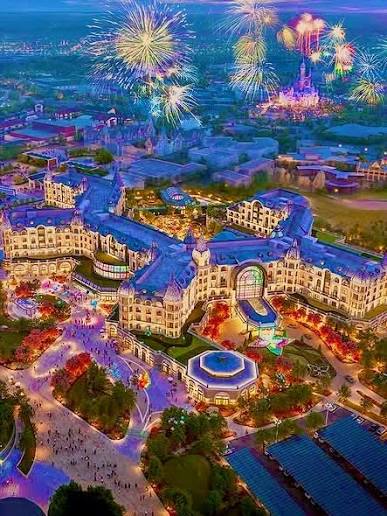
When Disney opened Shanghai Disneyland on June 16, 2016, they demonstrated how thoroughly they’d learned the localization lesson. According to The New York Times and The China Quarterly, Shanghai represented Disney’s most culturally adapted park. A massive success it’s first year, the park continues to do well with over 100 million total visitors. It was a joint project with Disney and the local government, and is managed by Disney.
Why This Matters Beyond Theme Parks
I’m simplifying these complex histories because the Disney story illustrates a crucial principle that extends beyond parks.
Art can feel universal in a single work —a song, painting, or film that resonates across cultures. But when you scale up to something as complex as a theme park, AAA video game, or global product launch, you must thoughtfully adapt each element for each new audience.
In video games, localization goes far beyond translation. Japanese role-playing games often modify cultural references, humor, and even game difficulty for Western audiences. The Pokémon series changes character names, food items, and visual symbols for different regions. In Germany, strict laws about violence mean many games receive content modifications.
Major music stars like BTS, Shakira, and Bad Bunny strategically record songs in multiple languages—not just translating lyrics, but adapting metaphors, cultural references, and even musical styles. Shakira’s “Waka Waka” exists in English and Spanish versions with notably different feels.
Films and streaming content go beyond dubbing. Netflix’s subtitle and dubbing teams localize jokes, idioms, and cultural references. In Squid Game, the English subtitles and dubbed versions convey different tones and meanings—sparking global debates about translation choices.
The Good Part
Here’s the real challenge: Sometimes people who want to change your work for a new audience genuinely have your best interests at heart. But sometimes they don’t understand what made your creation special in the first place.
The trick is distinguishing between insightful collaborators and confidently wrong executives and consultants. Disney learned this lesson the hard way—twice. The first time, they resisted localization and missed owning a goldmine. The second time, they did too little and nearly went bankrupt.
Today the Walt Disney Company has built a global localization network that takes care of everything from posters to food to dubbing cartoons. They have 100+ offices around the world, and extensively use vendors who know a region well.
The best localization preserves core magic while honoring new audiences. It’s not about compromise—it’s about translation in the deepest sense: carrying meaning across borders, making people feel seen and respected in their own context. Story, feeling, and quality are core. Walt knew that. The Walt Disney Company finally got it right.

David Raiklen wrote, directed and scored his first film at age 9. He began studying keyboard and composing at age 5. He attended, then taught at UCLA, USC and CalArts. Among his teachers are John Williams and Mel Powel.
He has worked for Fox, Disney and Sprint. David has received numerous awards for his work, including the 2004 American Music Center Award. Dr. Raiklen has composed music and sound design for theater (Death and the Maiden), dance (Russian Ballet), television (Sing Me a Story), cell phone (Spacey Movie), museums (Museum of Tolerance), concert (Violin Sonata ), and film (Appalachian Trail).
His compositions have been performed at the Hollywood Bowl and the first Disney Hall. David Raiken is also host of a successful radio program, Classical Fan Club.