The Ursula K. Le Guin Prize for Fiction is an annual $25,000 cash prize given to a writer for a single work of imaginative fiction. This award is intended to recognize those writers Ursula spoke of in her 2014 National Book Awards speech—realists of a larger reality, who can imagine real grounds for hope and see alternatives to how we live now. Read about the first Ursula K. Le Guin Prize for Fiction, awarded in 2022.
This year, nine shortlisted books were chosen by the Ursula K. Le Guin Foundation following a public nomination process. The recipient of this year’s prize will be chosen by authors Nicola Griffith, Mat Johnson, Fonda Lee, Darcie Little Badger, and Peter Rock.
The recipient will be announced on October 21st (Ursula’s birthday).
2026 Shortlist
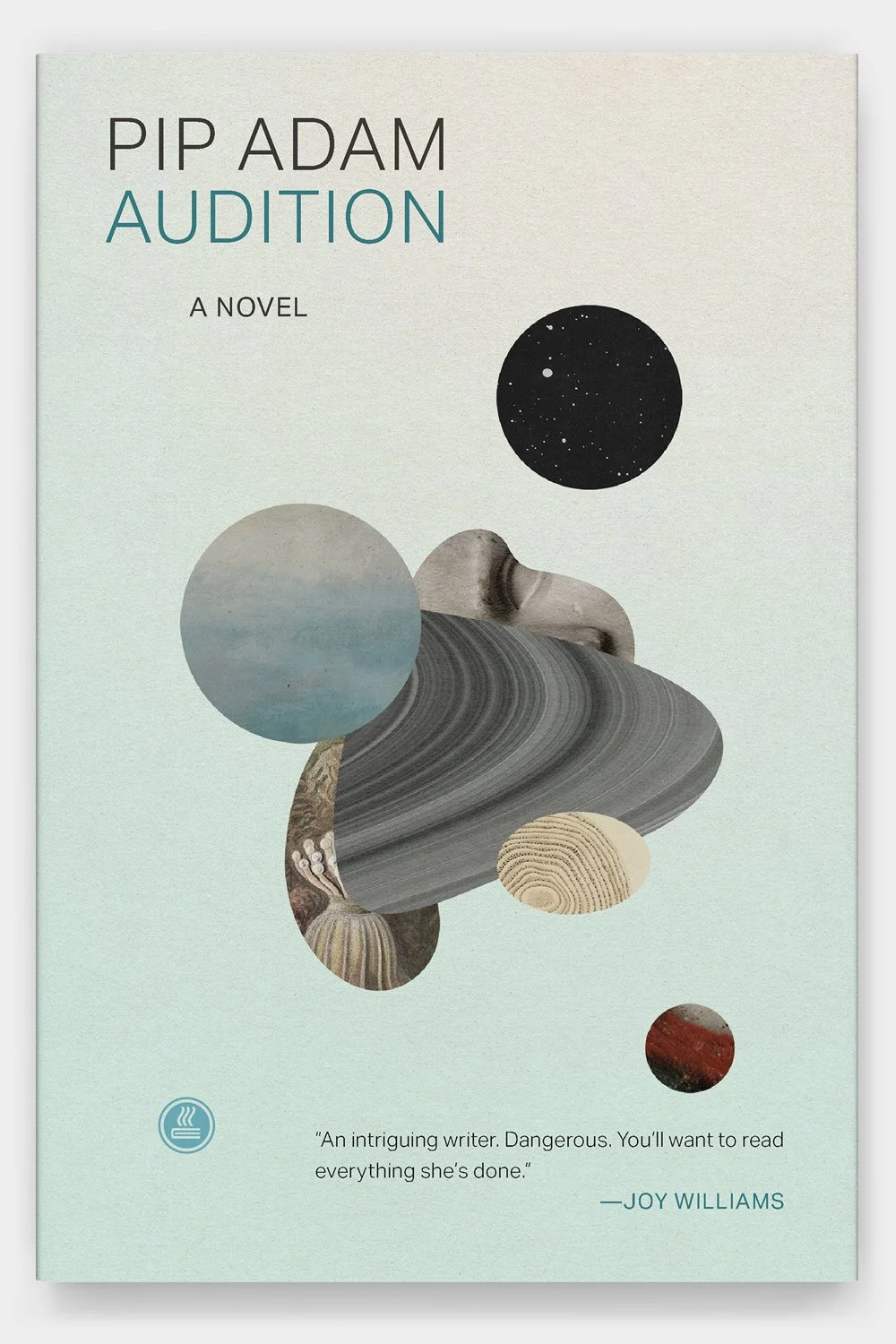
Audition by Pip Adam (Coffee House Press)
As its three rom-com quoting central characters travel from incarceration to exile to a place beyond punishment, Audition explores carceral politics and the psychology of violence, and what healing from the harm of those systems might require in a world where embodiment and identity have lost all familiar forms.
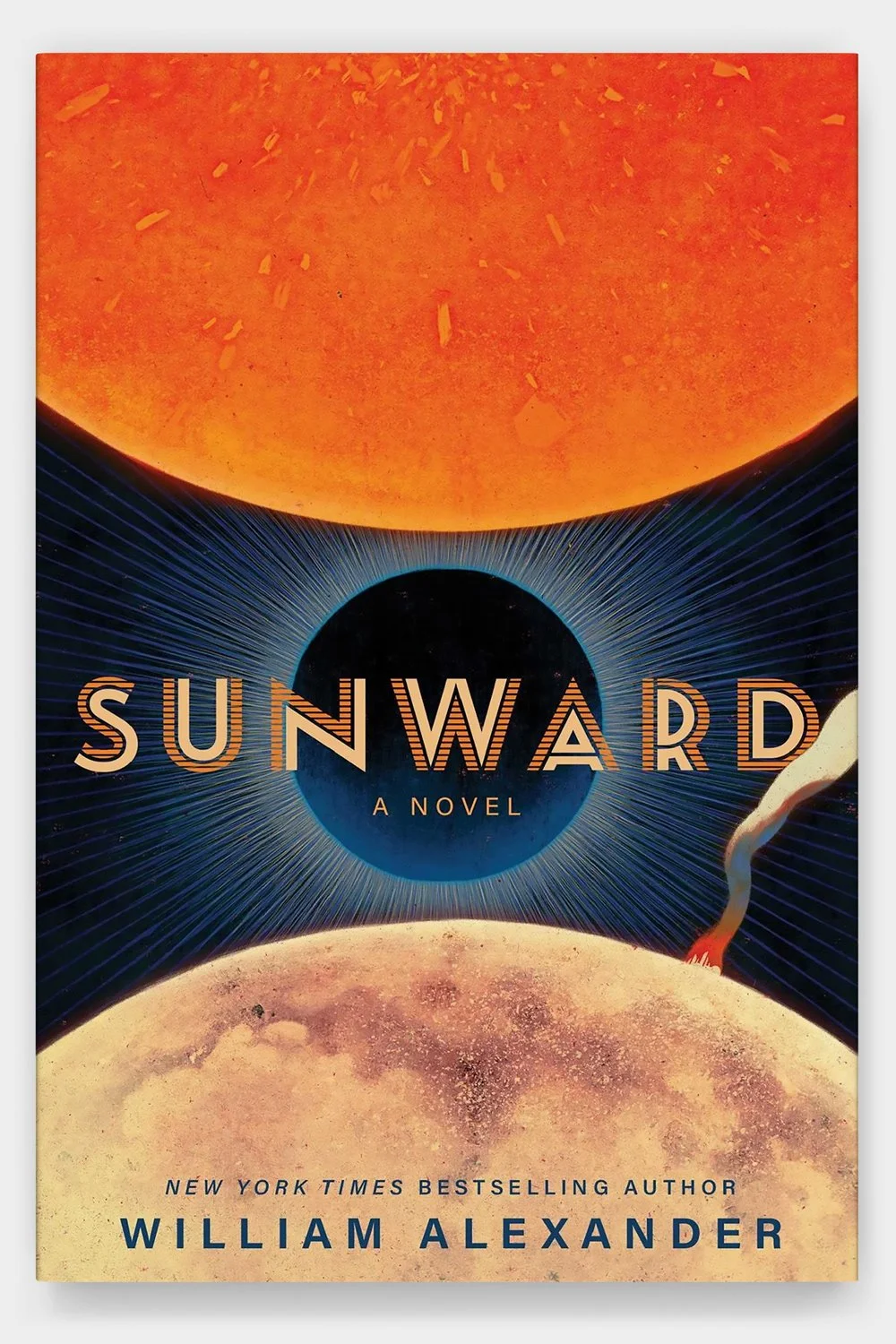
Sunward by William Alexander (Saga Press)
Sunward builds from one deceptively simple question: What if robots needed to be raised? Weaving world-expanding comedy with a vision of parental care that encompasses beings built as well as born, Alexander considers caretaking and community alongside power and resistance. In his future, another way of living is possible—though getting to it is never easy.
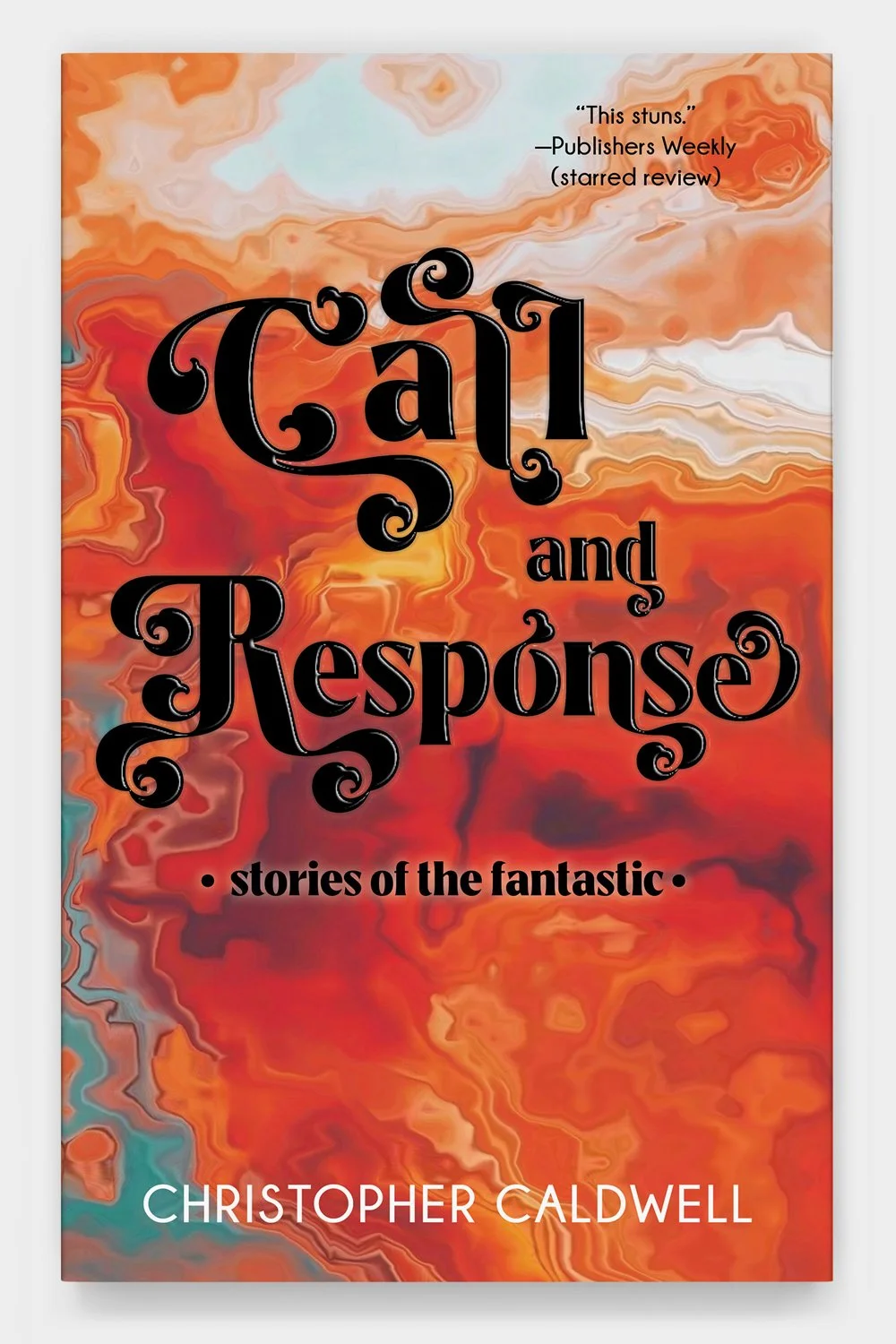
Call and Response by Christopher Caldwell (Neon Hemlock)
Full of hard-won, lived-in hope, Caldwell’s speculative and fantastical stories are thoroughly grounded in the realities, dreams, struggles, and relationships that animate queer lives. Each generously told tale takes seriously the interconnections of class, race, geography, gender, and sexuality—while making striking imaginative leaps into history, the present, and the future.
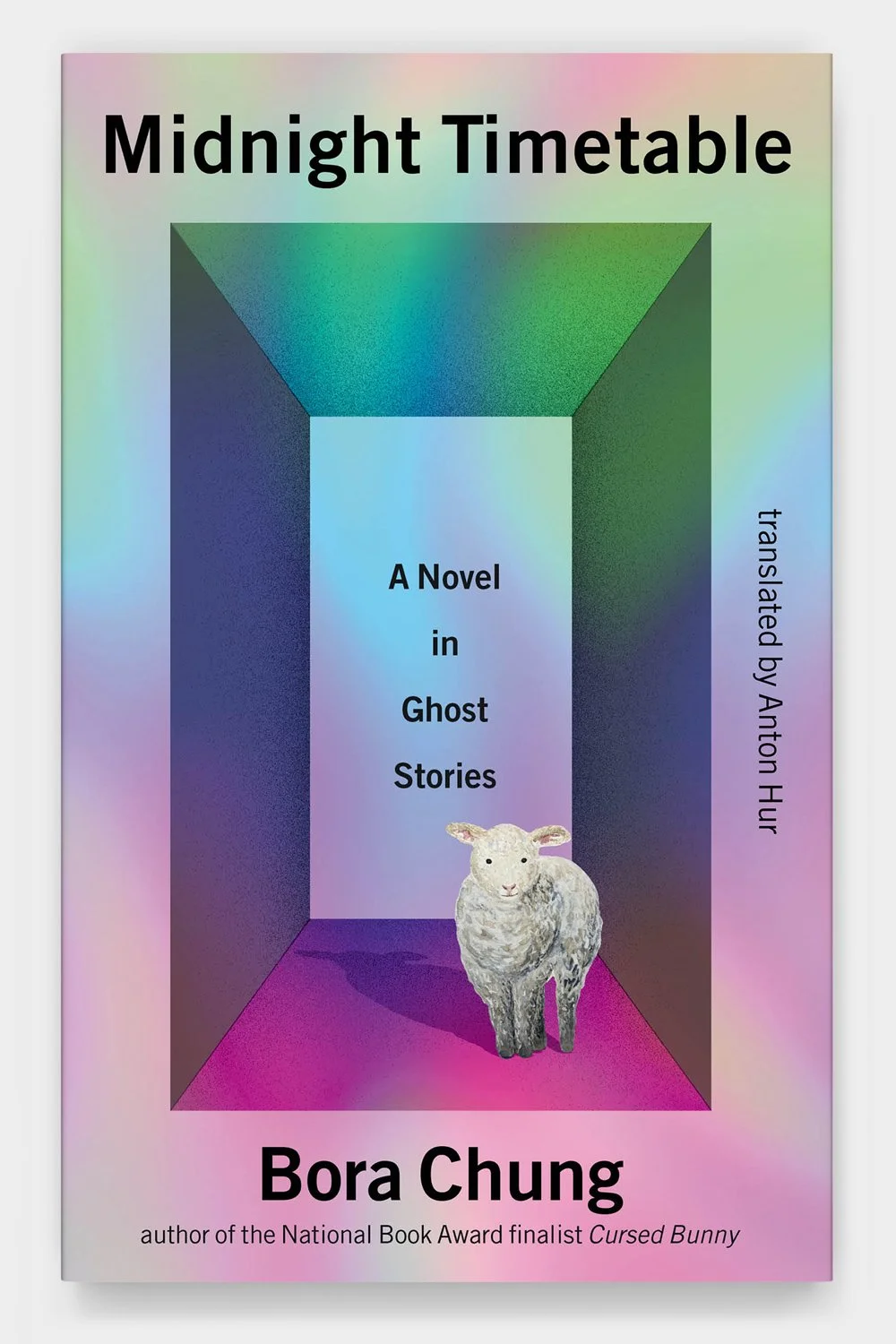
Midnight Timetable by Bora Chung, translated by Anton Hur (Algonquin)
This novel in ghost stories, with its haunted shoes and sheep and cats, gently suggests the degree to which humanity’s efforts to control the world are themselves figments and fantasies. Chung’s deep understanding of haunting—and of hierarchies, class, and gender—reminds us that we are a society haunted by its own cruelty, and, crucially, that we have other options.
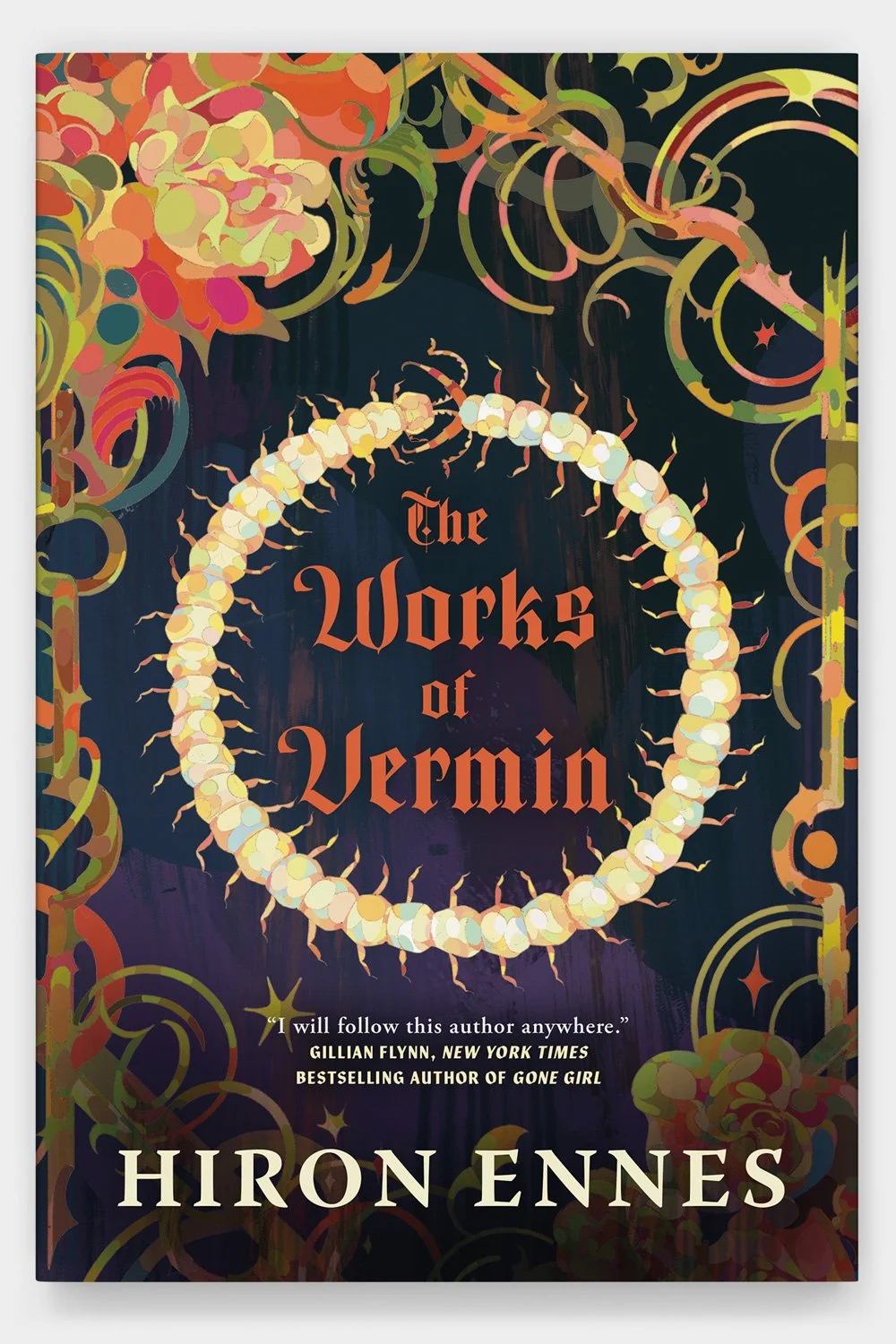
The Works of Vermin by Hiron Ennes (Tor Books)
This maximalist, visceral story of revolution transpires in a city riddled with strange vermin, their exterminators, and a wealthy ruling class whose tendrils are all but inescapable. Ennes’s compelling novel explores resistance, repression, cycles of violence, and the way art and culture are the materials of social change—but can also be key to the consolidation of power.
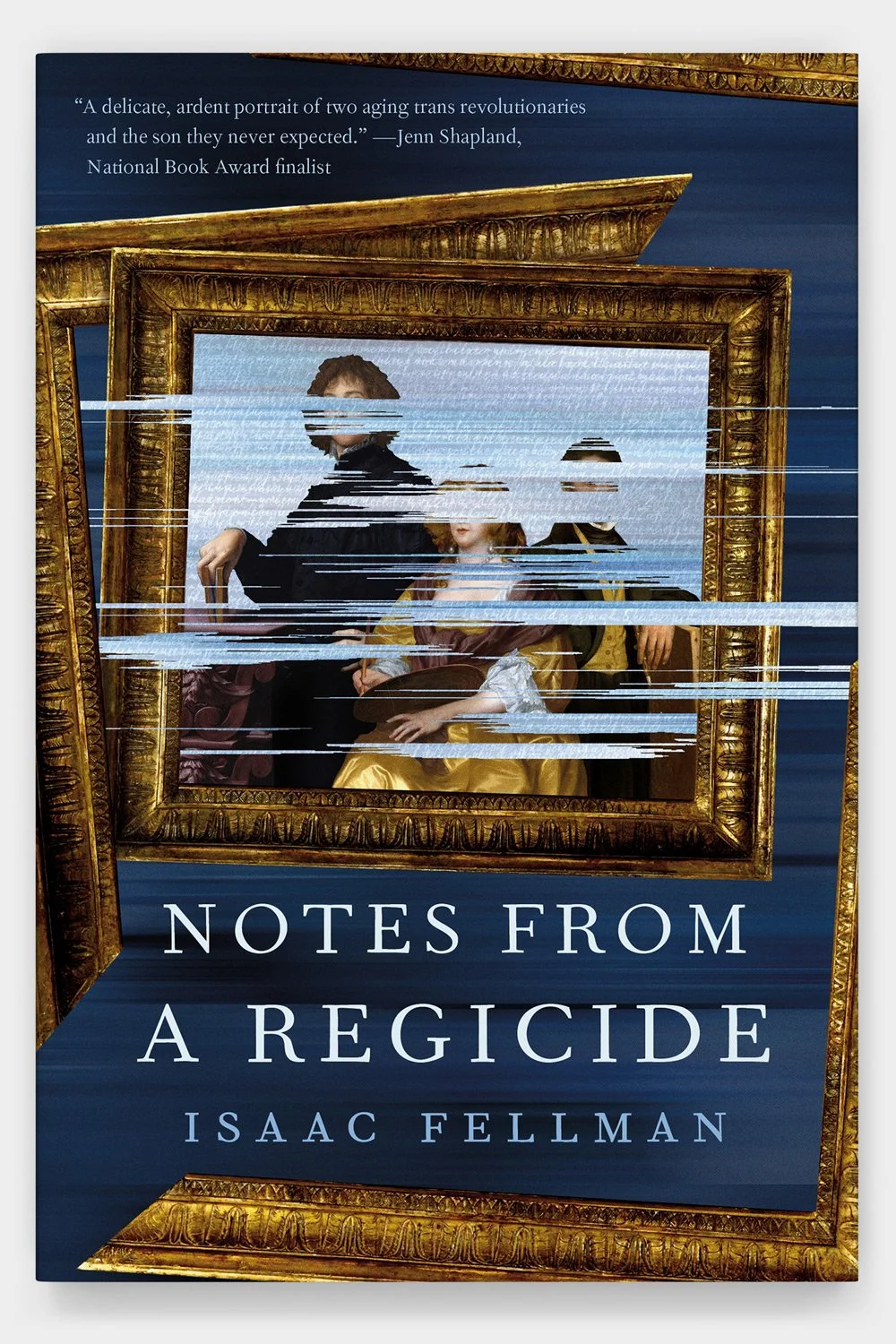
Notes from a Regicide by Isaac Fellman (Tor Books)
Notes from a Regicide is a multilayered, intimate history of two generations of trans characters in the distant (but strangely familiar) future. As Griffon Keming tries to understand his deceased and beloved second parents, Fellman’s narrative twines around art, revolution, disability, love, history, and the specific, often physical, cost of every kind of change.
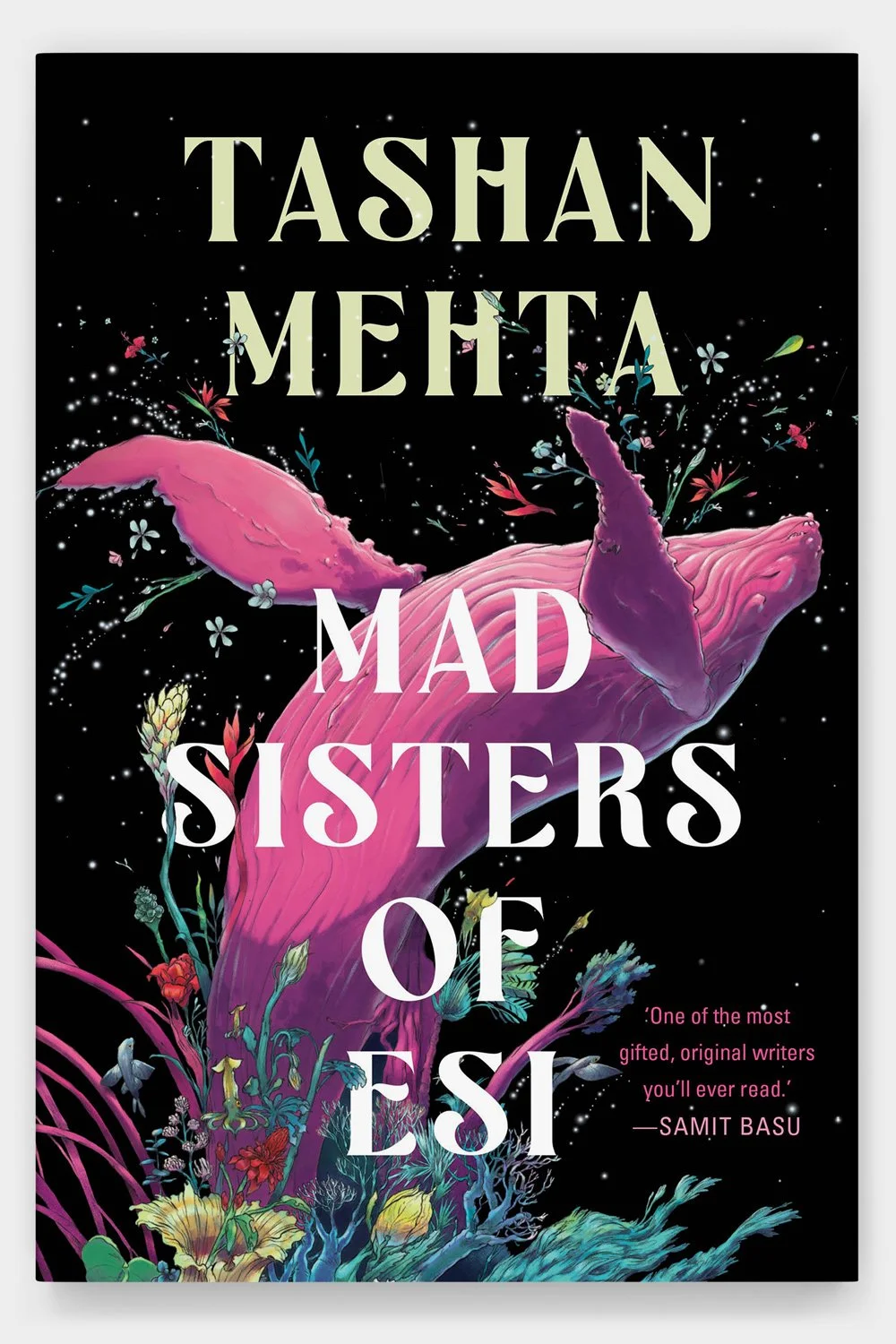
Mad Sisters of Esi by Tashan Mehta (DAW Books)
Using myth, fictional scholarship, alchemy, folktales, and animism, Mehta creates a quantum form of storytelling that follows the relationship between two sets of sisters, generations and worlds apart. Mad Sisters of Esi builds upon itself, layer by rich narrative layer, weaving together an all-encompassing saga of grief, love, legacy, and creation.
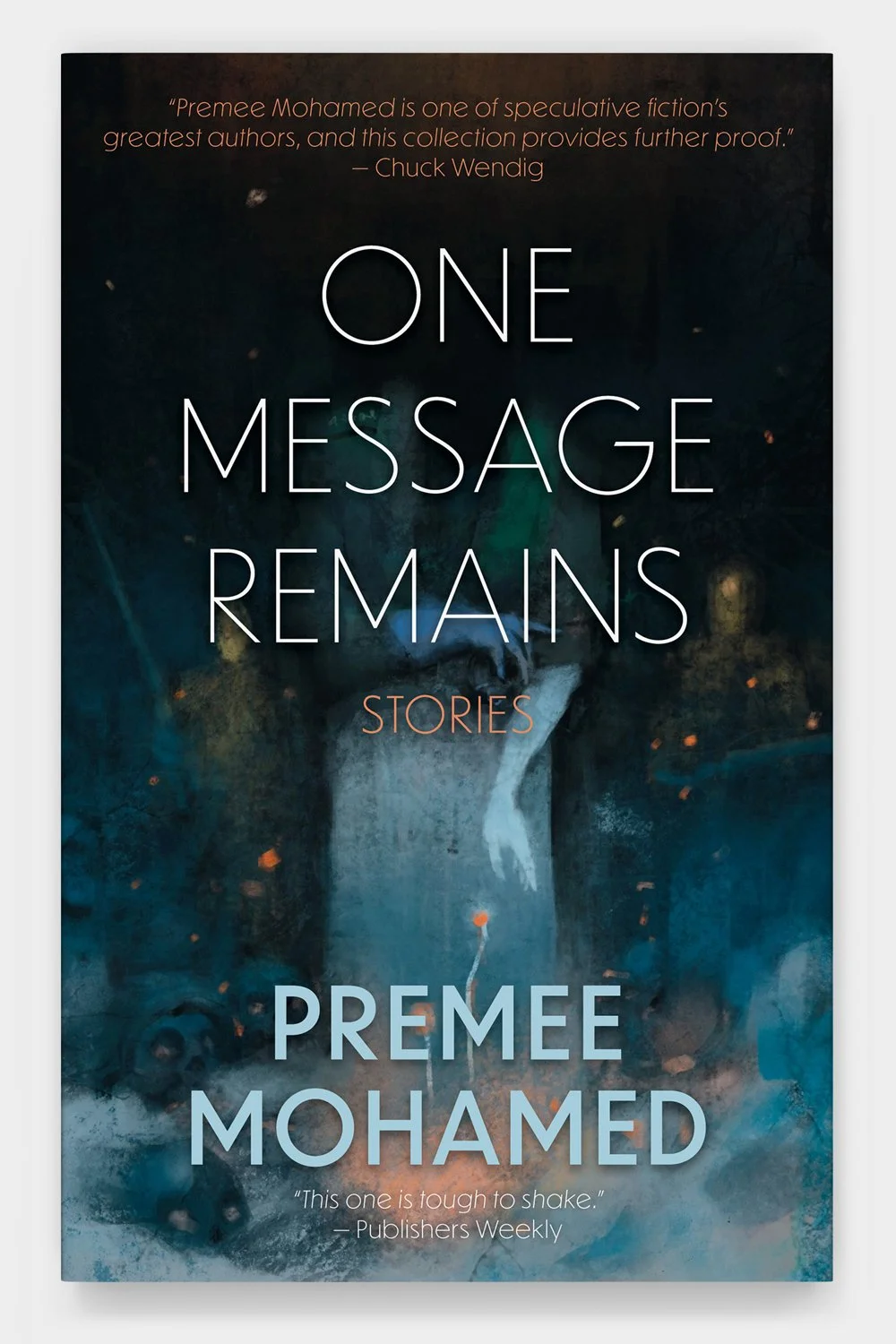
One Message Remains by Premee Mohamed (Psychopomp)
In four loosely connected tales, Mohamed explores the way people—soldiers and civilians, bureaucrats and gallows-builders—live during wartime, occupation, and colonization. In one story, ghostly soldiers fight the destruction of their traditions; in another, a young woman finds resistance in the practice of her eerie craft. The cumulative effect is complexly anti-war and realistically hopeful.
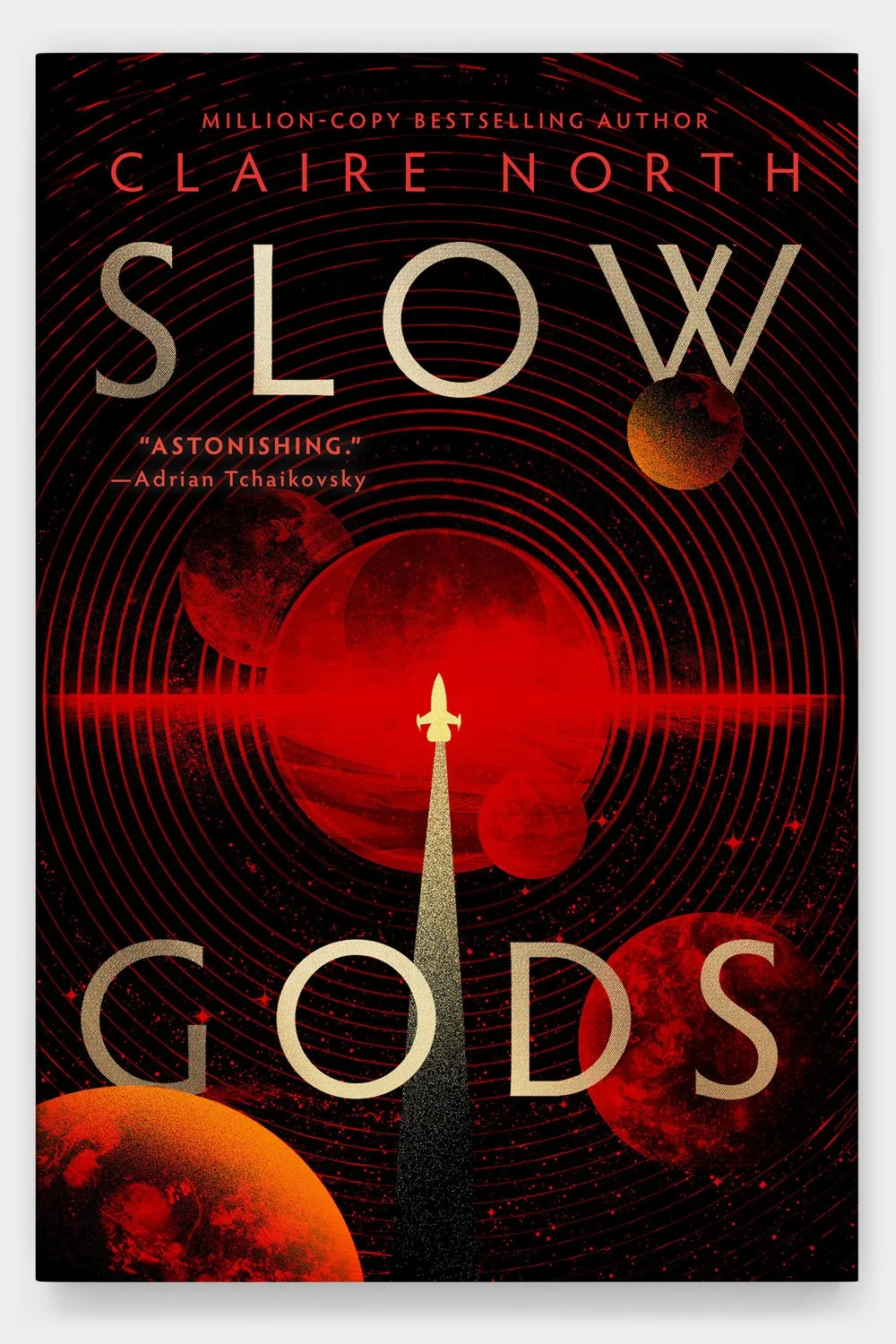
Slow Gods by Claire North (Orbit)
This galaxy-spanning space opera explores the fraught, connected roles of power and love as a series of worlds face destruction. Through the perspective of Maw, who was once human but is now something else, North wrestles with capitalism, collective choice, fascism, gender, freedom, the necessity of art, and the question of how we decide what—and who—matters.
2026 Selection Panel
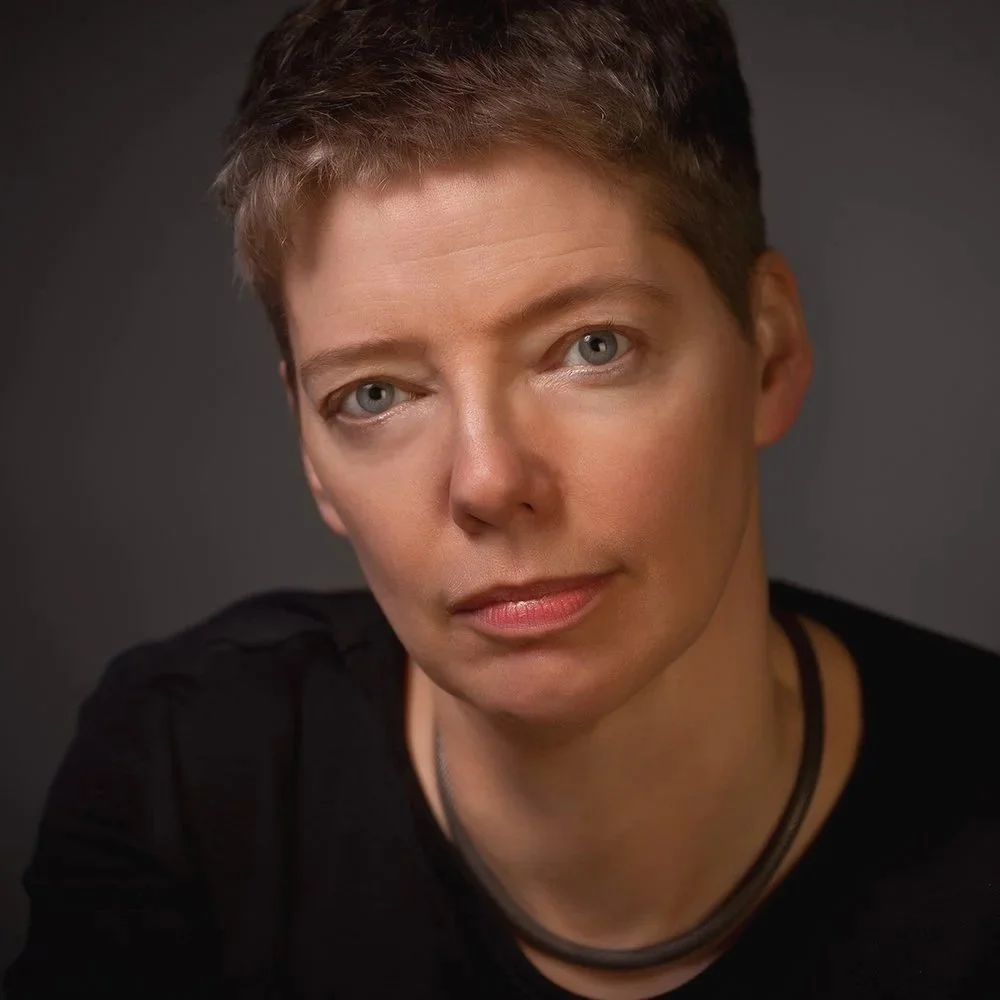
Nicola Griffith is the author of nine novels, including Hild, Spear, and Menewood. In addition to her fiction and nonfiction (New York Times, Guardian, Nature, New Scientist) she is known for her data-driven 2015 work on bias in the literary ecosystem and as founder and co-host, with Alice Wong, of #CripLit. Awards include the Los Angeles Times Book Prize, Society of Authors ADCI Literary Prize, two Washington State Book Awards, the Premio Italia, Nebula, World Fantasy, and Otherwise awards, and six Lambda Literary Awards. She holds a PhD from Anglia Ruskin University, is married to writer Kelley Eskridge, and lives in Seattle—where in 2024 she was inducted into the SFF Hall of Fame. In 2025 she was named as SFWA’s 41st Damon Knight Memorial Grand Master.
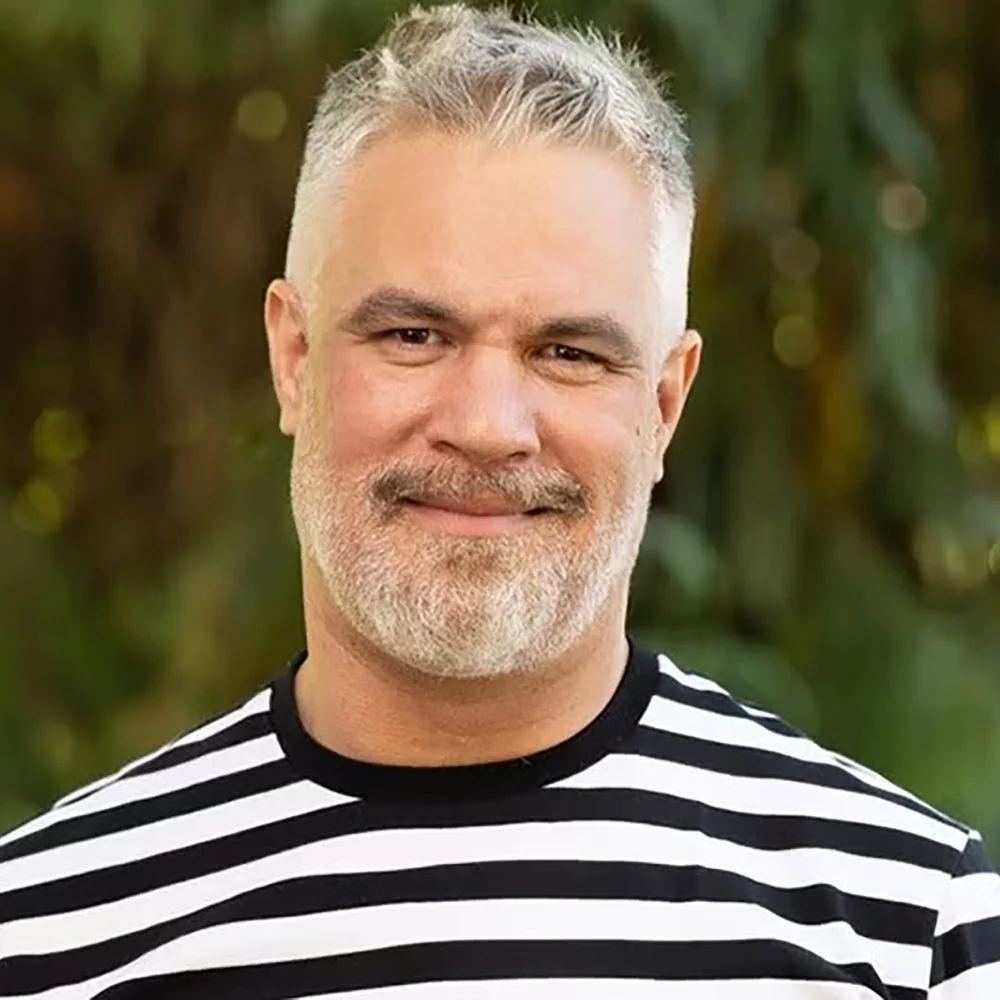
Mat Johnson is a Philip H. Knight Chair of the Humanities at the University of Oregon. His publications include the novels Invisible Things, Loving Day and Pym, the nonfiction novella The Great Negro Plot, and the graphic novels Backflash and Incognegro. Johnson is the recipient of the American Book Award, the United States Artists James Baldwin Fellowship, The Hurston/Wright Legacy Award, and the John Dos Passos Prize for Literature.
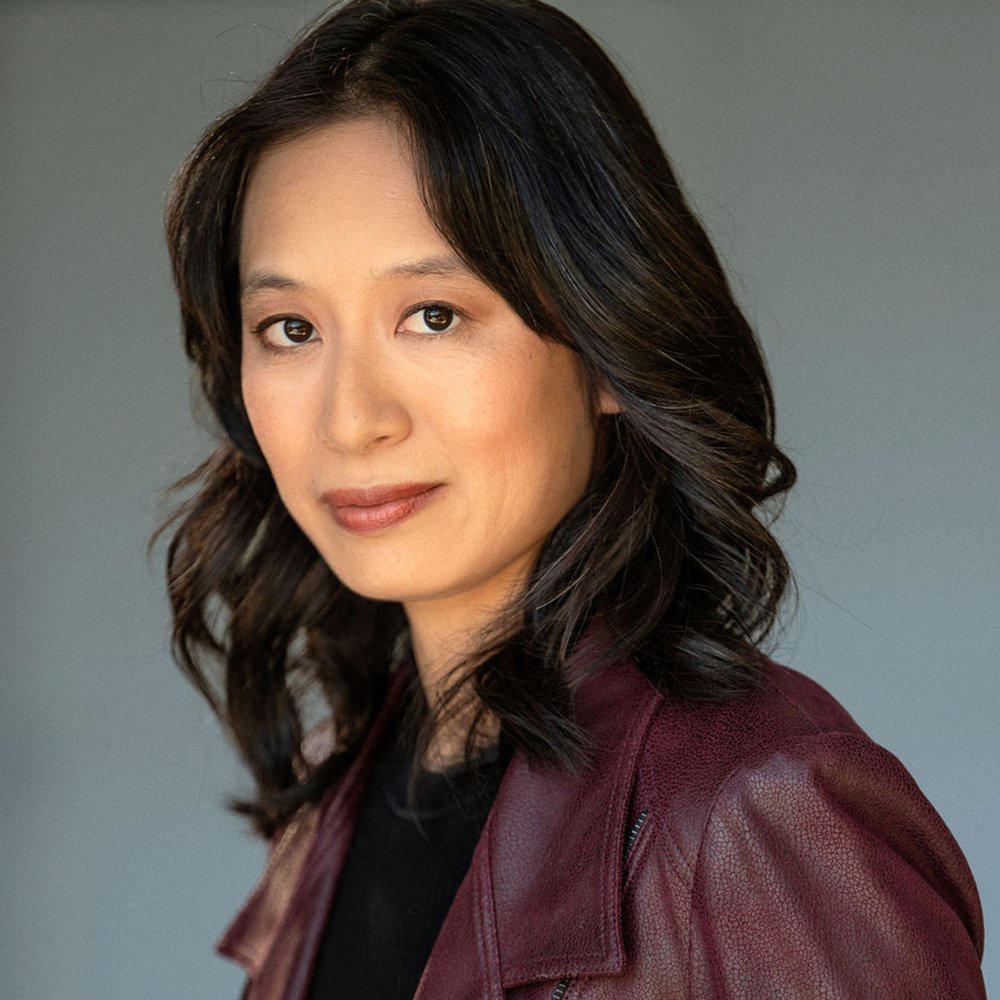
Fonda Lee is the award-winning, New York Times bestselling author of the Green Bone Saga. She is also the author of the fantasy novella Untethered Sky and several young adult novels: Zeroboxer, the Exo duology, and the Breathmarked duology, co-written with Shannon Lee. Fonda is a winner of the World Fantasy Award, the Locus Award, and a six-time winner of the Aurora Award, as well as a multiple finalist for the Hugo Award, the Nebula Award, and the Oregon Book Award. Her novels have garnered multiple starred reviews and appeared on Best of Year lists from NPR, Barnes & Noble, Syfy Wire, and others. Jade City has been translated into fifteen languages, named to TIME Magazine’s Top 100 Fantasy Books of All Time, and optioned for television development. She has also written acclaimed short fiction and been an instructor at writing workshops including Clarion West, Viable Paradise, and Aspen Words. Fonda is a former corporate strategist and black belt martial artist who loves action movies and eggs Benedict. Born and raised in Canada, she resides in the Boston area.

Darcie Little Badger is a Lipan Apache writer with a PhD in oceanography. Her critically acclaimed debut novel, Elatsoe, was featured in Time Magazine as one of the best 100 fantasy books of all time. Elatsoe also won the Locus award for Best First Novel and is a Nebula, Ignyte, and Lodestar finalist. Her second fantasy novel, A Snake Falls to Earth, received a Nebula Award, an Ignyte Award, and a Newbery Honor and is on the National Book Awards longlist. Her third book, Sheine Lende, is the prequel to Elatsoe and was a USA Today bestseller. Darcie is married to a veterinarian named Taran.
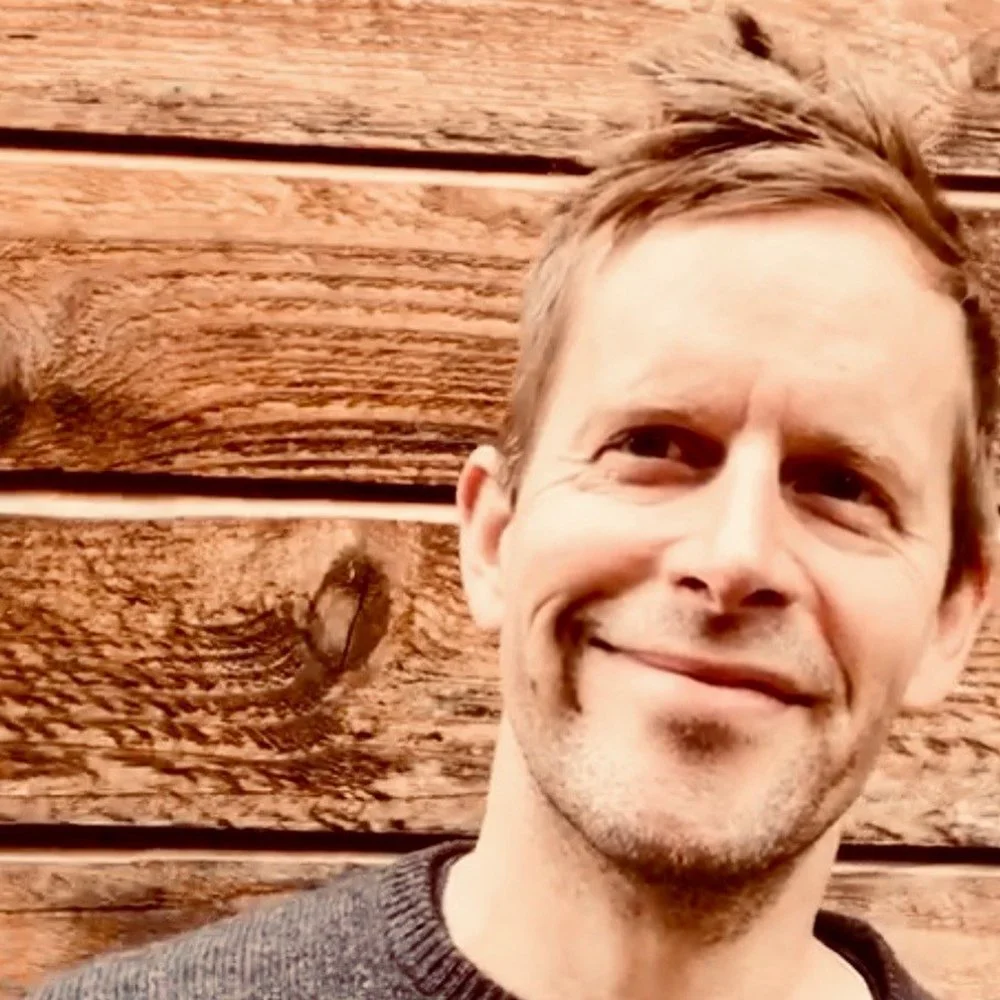
Peter Rock is the author of the eleven works of fiction, including The Night Swimmers, SPELLS, The Shelter Cycle, and My Abandonment (adapted into Debra Granik’s film Leave No Trace). The recipient of fellowships from the Guggenheim Foundation and the NEA, as well as an Alex Award, he has been a finalist for the PEN/Faulkner and John Dos Passos Awards. Rock currently lives in Portland, Oregon, where he is a professor in the English Department of Reed College. His novel Makeshift, concerning three shipwreck-pillaging sisters who believe they’re the last humans on earth, will be published in 2026.


SCIFI.radio is listener supported sci-fi geek culture radio, and operates almost exclusively via the generous contributions of our fans via our Patreon campaign. If you like, you can also use our tip jar and send us a little something to help support the many fine creatives that make this station possible.