
Every year on January 1, something remarkable happens: we get to welcome a whole new crop of cultural works into the public domain. It’s called Public Domain Day, and it’s exactly what it sounds like. After 95 years, works published in the U.S. in a specific year lose their copyright protection and enter the public domain. That means anyone can use them, remix them, adapt them, or share them without needing permission or paying licensing fees.
This year, the spotlight lands on works first published or released in 1930. That includes some very familiar faces — and some surprising ones.
The Original Betty Boop Is Now Public Domain (Sort Of)
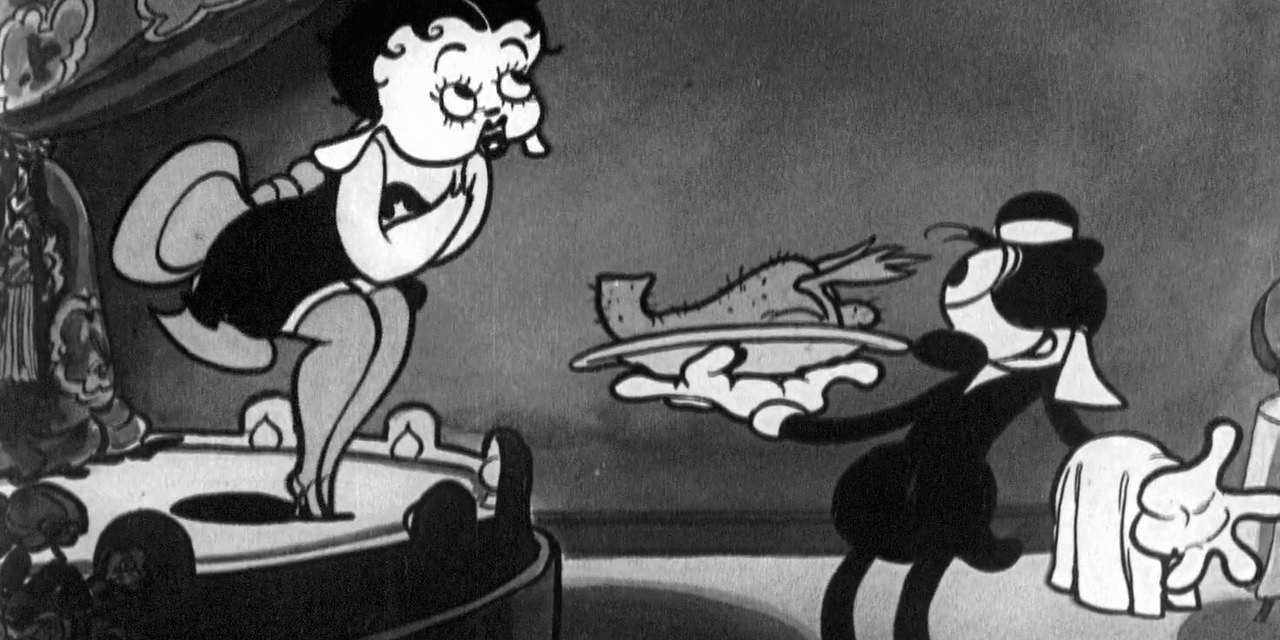
One of the biggest names making the leap this year is Betty Boop. But don’t get too excited just yet — it’s not that Betty Boop. The version that entered the public domain is the one from Dizzy Dishes, her first cartoon appearance. She looked quite different then, more like a dog than the iconic flapper we know from later shorts. Her ears were long and floppy, her nose was round, her face more rubbery, and her sex appeal hadn’t quite arrived yet. Synchronized sound was still a novelty, and you can see bits of Dizzy Dishes that play directly to this.
Still, this version of Betty is legally usable, and that’s a big deal. It opens the door for new creative work using the original design — just not the more refined, recognizable version that came later in the 1930s. That one is still protected by copyright, and the name “Betty Boop” is almost certainly covered by trademark, so any use will have to tread carefully.
Nancy Drew’s First Case is Now Free
This year also marks the public domain debut of Nancy Drew, the teen detective who has been solving mysteries since the Great Depression. The Secret of the Old Clock, published in 1930, is now free for anyone to use, adapt, or republish. But like Betty, Nancy comes with a few caveats.
The version that entered the public domain is the original 1930 text, which reads very differently than later rewrites. The character was softer, the plot slower. In fact, the book was revised in 1959 to give Nancy a more modern, confident edge. That later version is still under copyright — so if you’re imagining a plucky girl sleuth with a convertible and quick wit, you’ll need to stick to her original incarnation or rewrite her entirely. So long as you begin with what Nancy Drew was in that original form and extrapolate from that, you can escape scrutiny from copyright lawyers, so long as you don’t try to sell any of it. Simon & Schuster still owns the trademark on it, so you’re not publishing any new Nancy Drew stories on your own. The original books, though, are copyright free.
Early Mickey Mouse, Now With Fewer Lawyers
You may remember the big news last year when the original Steamboat Willie cartoon entered the public domain. This year, nine more early Mickey Mouse cartoons have joined it, including The Chain Gang, The Gorilla Mystery, and Pioneer Days. These shorts continue the development of Mickey’s character, and for creators, they’re a goldmine. They can be remixed into anything you like.
But, again, caution is required. These early versions are usable — but only those specific cartoons and designs. Mickey’s appearance and personality evolved quickly, and the more familiar, fully developed version of him is still protected. And, of course, the Mickey Mouse name and likeness are locked down tight under trademark law, so don’t expect to start selling T-shirts with his face on them without hearing from Disney’s lawyers.
Still, it’s exciting. These early animations show Mickey at a formative stage, and they offer a rare chance to legally build on one of the most recognized characters in animation history — at least in his original form.
In The Cactus Kid, Mickey cavorts with Minnie in settings of the Old West, and we are introduced to Horace Horsecollar, and the villain that would haunt Mickey until the present day: Pegleg Pete.
Flip the Frog
It’s not an imperative. It’s the character’s name. Created by the legendary Ub Iwerks after his break from Disney, Flip starred in a series of cartoons produced independently in the early 1930s.
Visually, Flip echoes Iwerks’ most memorable creation, Mickey Mouse, but the cartoons often lean toward looser movement and more mature humor. Flip never gained lasting popularity, but his shorts remain valuable artifacts from a period when animation’s stylistic rules were still being written, and still largely depended on “rubber hose” boneless character’s limbs.
Dashiell Hammett’s The Maltese Falcon
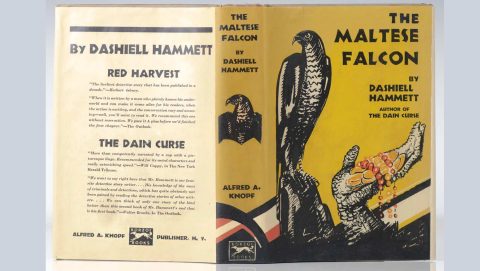
This book introduced the world to Sam Spade, the now stereotypical hardboiled detective who defined a genre. Hammett, a former detective himself, revolutionized the crime fiction genre, and readers couldn’t get enough of his quick-witted hero and memorable dialog. “Spade had no original,” the author later wrote. “He is a dream man in the sense that he is what most of the private detectives I worked with would like to have been and what quite a few of them in their cockier moments thought they approached.” The Maltese Falcon, and its characteristically convoluted plot, debuted as a serial in Black Mask magazine in 1929, and that version of the story entered the public domain last year. Now, the book-length version, published in 1930, is also fair game.
Copies of the original book as published in 1930 are the domain of rare booksellers, fetching prices in the tens of thousands of dollars.
Nancy Drew (the first four books)
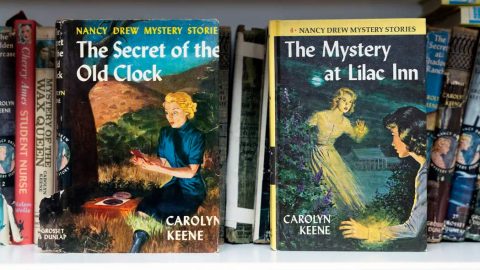
Nancy Drew made her literary debut in 1930, with four books by the original author, Carolyn Keene, creating a detective heroine that would become iconic in generations to come.
This is the very first Nancy Drew mystery was The Secret of the Old Clock, and it sets the tone for everything that came after. Sixteen?year?old Nancy Drew — clever, brave, and self?reliant — meets a family in need after the wealthy Josiah Crowley dies without leaving a clear will. The Turner and Hoover relatives believe they’ve been cheated out of their inheritance by the snobbish Topham siblings. Nancy’s investigation leads her to follow a trail of clues centered on an old clock that might hide the missing will. Along the way she faces danger, outsmarts villains, and ultimately helps restore the inheritance to its rightful heirs.
This original version is quite different in tone and action from later rewrites: Nancy can be impulsive, competitive, and decidedly hands?on in her detective work.
The remaining three works, The Hidden Staircase, The Bungalow Mystery, and The Mystery at Lilac Inn solidified the enterprising Ms. Drew as the strong, self-reliant adventurer detective that would spawn more than 175 novels, TV shows, movies, and even video games.
All four titles were first published in 1930, but underwent revisions in the 1950s and 1960s which significantly changed some plots, character details, and pacing. The elements of story and character falling into the public domain today are specifically tied to those earliest versions, while the later revisions remain under copyright. Simon and Schuster still holds the trademarks.
What You Can Actually Do With All This
Here’s where things get fun. You can use any of these newly public works in your own projects — films, games, webcomics, podcasts — without paying or asking anyone. You could write a space opera featuring a Nancy Drew–style protagonist, or reanimate an early version of Betty Boop for a sci-fi noir short.
But you still need to pay attention. Copyright applies only to the 1930 versions — later versions and sequels are still protected. Trademarks can also block some uses, especially if you try to brand your work with names or logos that are still actively defended, especially if you are making something that a trademark holder already sells.
Each year, more and more of the creative works that have helped define generations of popular media fall into the public domain. It’s a chance to breathe new life into old stories, to connect with the past in fresh ways, and to remix our cultural heritage into something new. If you’re a creator, this is your annual reminder that history is full of stories waiting to be reimagined — and now, some of them are yours.

SCIFI.radio is listener supported sci-fi geek culture radio, and operates almost exclusively via the generous contributions of our fans via our Patreon campaign. If you like, you can also use our tip jar and send us a little something to help support the many fine creatives that make this station possible.







Thanks for clearly clarifying that these being public domain is a “sort of” issue. These legal things can get really complicated!
Watching “Dizzy Dishes” reminds me that things were different back in 1930. Females showing their panties and sexually wiggling their pantied butts was acceptable for kids. Not to mention a male naked below the waist. (And not to mention a couple subtle sexual references.) Yes, I know, these aren’t humans, but still.
Things had been pretty wild before the end of 1929 Wall Street crash.